
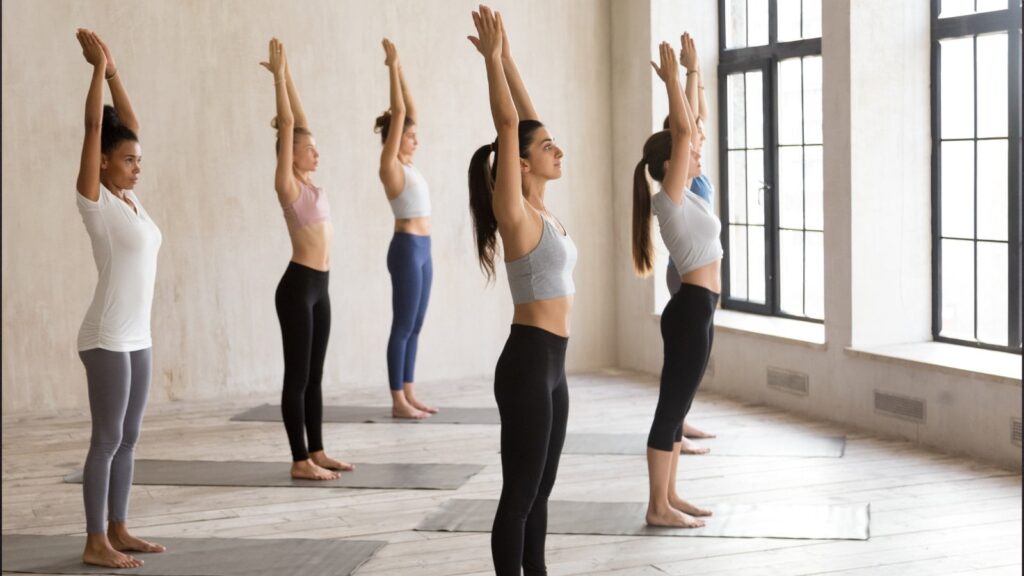

Tadasana, or mountain pose, may seem simple, but it plays a powerful role in improving posture, circulation and breathing. Know its benefits and how to perform it.
Most of us don’t think twice about our position. But poor posture, long hours at the office and lack of movement can slowly affect our spine, breathing and even blood circulation. This is where tadasana, or mountain pose, comes in. Although it looks like a simple standing pose, it is actually a powerful full-body stretch that builds strength and awareness from the bottom up.
According to yoga expert Khushboo Shukla, tadasana forms the basis of many standing yoga poses and helps the body stand up straight and balanced. With regular practice, this basic pose can improve posture, stimulate blood circulation and promote better lung function in a natural and lasting way.
How tadasana improves posture and reduces back pain
Tadasana works by aligning the spine in its natural curves and creating stability in the legs and core. When practiced regularly, it helps correct rounded shoulders and slouching, two common causes of chronic back pain.
A study published in the IJRAR Search Journal found that this pose strengthens the knees, thighs and ankles, giving the body a stable foundation. Yoga expert Shukla explains that once the lower body is strong and grounded, the spine naturally lengthens, reducing unnecessary tension. Over time, this can reduce the risk of back pain and discomfort caused by poor posture.
Why mountain poses stimulate blood circulation
Standing up straight in tadasana isn’t just about posture: it also promotes healthy blood circulation. The pose stretches major muscle groups and reduces pressure on blood vessels, allowing blood to flow more freely.
According to a study published in JACC Newspaperstadasana increases venous return, the speed at which blood returns to the heart. Combined with deep breathing, this ensures a better supply of oxygen to the muscles and organs. As Shukla points out, good alignment and regular breathing together improve overall circulation and energy levels.
Respiratory benefits: better breathing and lung function
Controlled breathing is an essential part of tadasana. As you hold the pose and breathe deeply, your lungs expand more fully. This improves diffusion capacity, or the efficiency with which oxygen passes from the lungs into the bloodstream.
A study in the International Yoga Review found that such practices can benefit people with chronic obstructive pulmonary disease (COPD) by improving lung function. Even for healthy people, regular practice develops greater awareness of breathing and promotes calm.
How to perform tadasana safely?
Follow these steps to practice tadasana:
- Stand with your feet shoulder-width apart.
- Distribute the weight evenly on both legs.
- Engage your core and roll your shoulders back.
- Inhale and lift your heels, balancing on your toes.
- Raise your arms above your head and hold them for 60 seconds while focusing on one point.
Shukla advises beginners to practice under supervision, especially pregnant women and people with arthritis.
You may also like


Related FAQs
Is Tadasana suitable for beginners?
Yes, this is one of the most basic yoga poses and is ideal for beginners.
Can Tadasana reduce back pain?
Regular practice can help improve posture and reduce tension-related back pain.
How long should I hold tadasana?
You can hold it for 30 to 60 seconds while breathing regularly.
Can children practice tadasana?
Yes, it can improve balance, concentration and coordination in children.
#Tadasana #benefits #posture #blood #circulation