
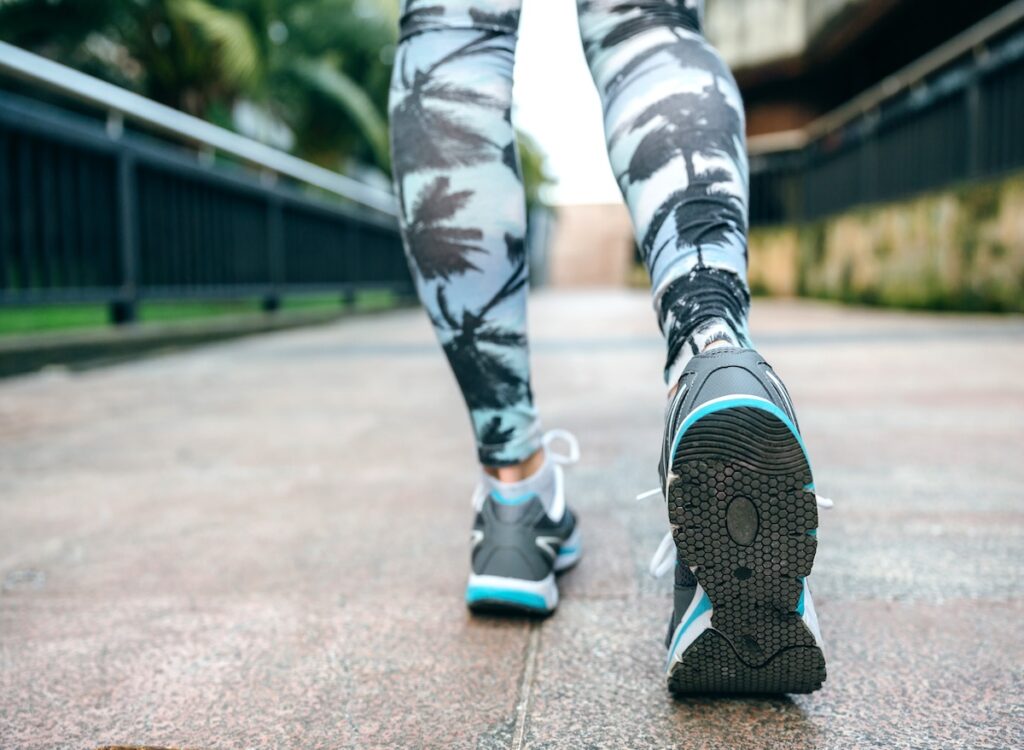

Experts reveal how a short walk after meals improves digestion, blood sugar levels and overall health.
Walking is one of the best workouts. Over the past decade, the importance of taking action has become increasingly clear. There is also the question of when to walk, and many experts recommend walks after meals. What are the health benefits of walking after eating? We asked Clarendon for life Personal trainer Sarah Pope for the summary.
Blood sugar regulation

According to Pope, one of the benefits of walking after eating is that it can help regulate your blood sugar. This is particularly relevant for people suffering from health problems. “Important for people with diabetes. More effective after a meal!” she said.
Digestion

Digestion is another benefit of taking action after eating. “Walking after meals helps let our bodies know that we are ready for the digestive system to do its job! » she said.
Increased traffic

Increased circulation is another reason to walk after meals. “Long periods of sitting or, more importantly, sedentary behavior are known to put individuals at higher risk of developing multiple health problems. Some include vascular dysfunction, increased blood pressure, and decreased circulation,” says Pope. “Focus on light, brief, manageable movements after meals to help reduce these risks.”
Lowers blood pressure

Walking after eating can help lower blood pressure. “Hypertension is one of the leading causes of heart disease and stroke. Walking after meals helps filter the blood and promote good circulation. Which, in turn, will help our heart pump blood throughout the body, thereby reducing the amount of glucose present in our body,” she says.

Movement after meals also increases metabolism, burning more calories. “Walking helps speed up our metabolism and reduces the amount of glucose stored after meals! Burning calories and increasing your metabolism will also help reduce stored belly fat,” says Pope.
Better quality of sleep
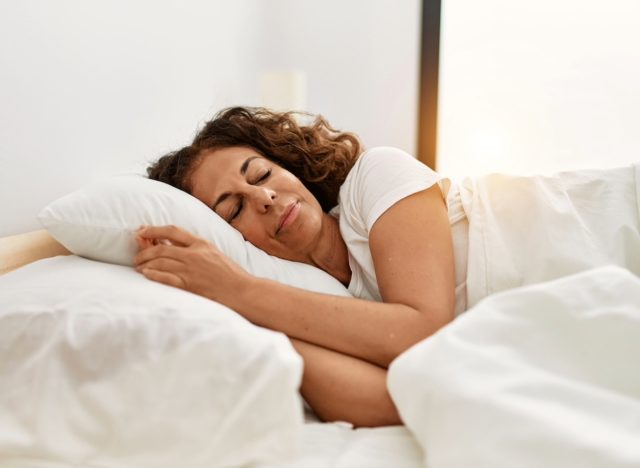
And moving after meals can lead to better sleep quality. “Helps help someone fall asleep more comfortably and soon after their head hits the pillow,” she says.
Mental health and mood improvement

Finally, it can help improve mental health and improve your mood. “Reduces the risk of depression. Approximately 2 to 2.5 hours of walking per week has been shown to decrease depression in adults by 25%. Physical activity, such as walking, improves overall mood! 15 to 20 minutes of walking 5 times per week can help reduce mental health problems,” says Pope.
Lea Groth
Leah Groth is an experienced editor and reporter for Best Life and Eat This, Not That! bringing readers the best new finds, trends and deals every week. Learn more about Léa
#Heres #Walk #Meal