
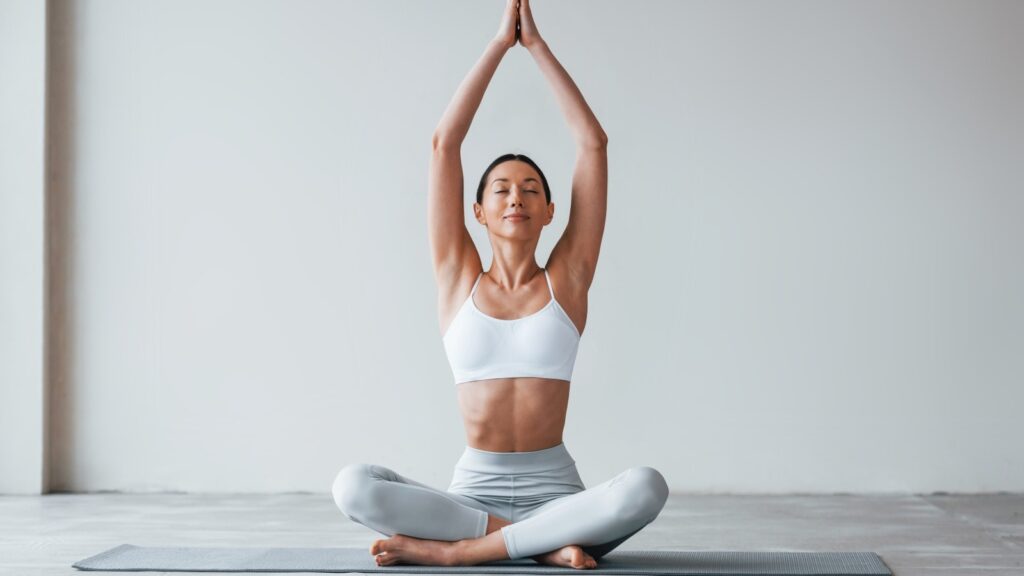

Find yoga poses that can naturally relieve winter headaches and migraines, improve relaxation, and reduce tension during this cold season.
Do your headaches get worse in winter? Cold temperatures, decreased sunlight, dehydration, poor posture and increased stress levels often make headaches and migraines more common during the colder months. Long hours spent in front of a screen, stiff neck muscles and irregular routines only add to the discomfort. Although painkillers may offer quick relief, they do not address the root cause. This is where yoga can help. Gentle yoga asanas improve blood circulation, release muscle tension, calm the nervous system and promote overall relaxation. According to yoga experts, practicing the right postures regularly can reduce the intensity and frequency of headaches over time.
Yoga postures to relieve winter headaches
Here are seven yoga asanas that can help relieve winter headaches and migraines naturally:
1. Balasana (child’s pose)
Balasana is one of the most calming poses for relieving headaches. It gently stretches the spine, neck and shoulders while calming the nervous system. Here’s how to do it:
- Kneel on the mat and sit back on your heels
- Lean forward and place your forehead on the mat
- Stretch your arms forward or place them next to your body
- Breathe deeply for 30 to 60 seconds
2. Adho Mukha Svanasana (Downward Facing Dog)
This pose allows cool blood flow to the brain, which can relieve sinus pressure and tension headaches common in winter. Stretching your back, hamstrings, and shoulders also relieves stiffness caused by prolonged sitting or screen time. Here’s how to do it:
- Start on all fours, palms under shoulders
- Lift your hips forming an inverted “V”
- Keep your head relaxed between your arms
- Hold for 20 to 30 seconds while breathing slowly
3. Viparita Karani (Legs against the wall)
This pose promotes relaxation and reduces mental fatigue. It helps calm the nervous system, reduces stress levels and improves circulation, making it particularly useful for people prone to migraines. Here’s how to do it:
- Lie on your back near a wall
- Gently raise your legs and place them against the wall
- Keep your arms relaxed at your sides
- Stay in the pose for 5 to 10 minutes
4. Setu Bandhasana (Bridge Pose)
Bridge Pose opens the chest and neck, improves blood circulation and reduces tightness in the upper body. It also stimulates the thyroid gland, helping to regulate hormones that can sometimes trigger migraines. Here’s how to do it:
- Lie on your back with your knees bent, feet hip-width apart.
- Press your feet on the floor and lift your hips
- Keep your shoulders relaxed and breathe evenly
- Hold for 20 to 30 seconds, then slowly lower
5. Paschimottanasana (Seated Forward Bend)
This forward bend gently stretches the spine and relaxes the mind. It helps reduce anxiety and stress, which are common migraine triggers, while improving digestion and blood circulation. Here’s how to do it:
- Sit with your legs stretched out in front
- Inhale, lengthen your spine
- Exhale and bend forward from the hips
- Hold for 30 seconds without forcing
6. Marjaryasana – Bitilasana (cat-cow pose)
This simple spinal movement helps relieve neck and back stiffness, a major cause of tension headaches. Practicing this pose with slow breathing warms the spine, improves flexibility and promotes relaxation in cold weather. Here’s how to do it:
You may also like


- Come on all fours
- Inhale, arch your back and lift your chin (cow)
- Exhale, round your spine and tuck your chin (cat)
- Repeat slowly for 1-2 minutes
7. Shavasana with Pranayama
Shavasana combined with deep breathing or alternate nostril breathing (Nadi Shodhana) helps calm the brain and reduce the intensity of headaches. Here’s how to do it:
- Lie on your back with your arms relaxed
- Close your eyes and focus on slow breathing
- Inhale deeply, exhale fully
- Stay 5 to 10 minutes
Practice in a warm, calm space and avoid violent movements. Stay hydrated, breathe slowly, and stop immediately if pain increases.
#yoga #asanas #relieve #headaches #winter