
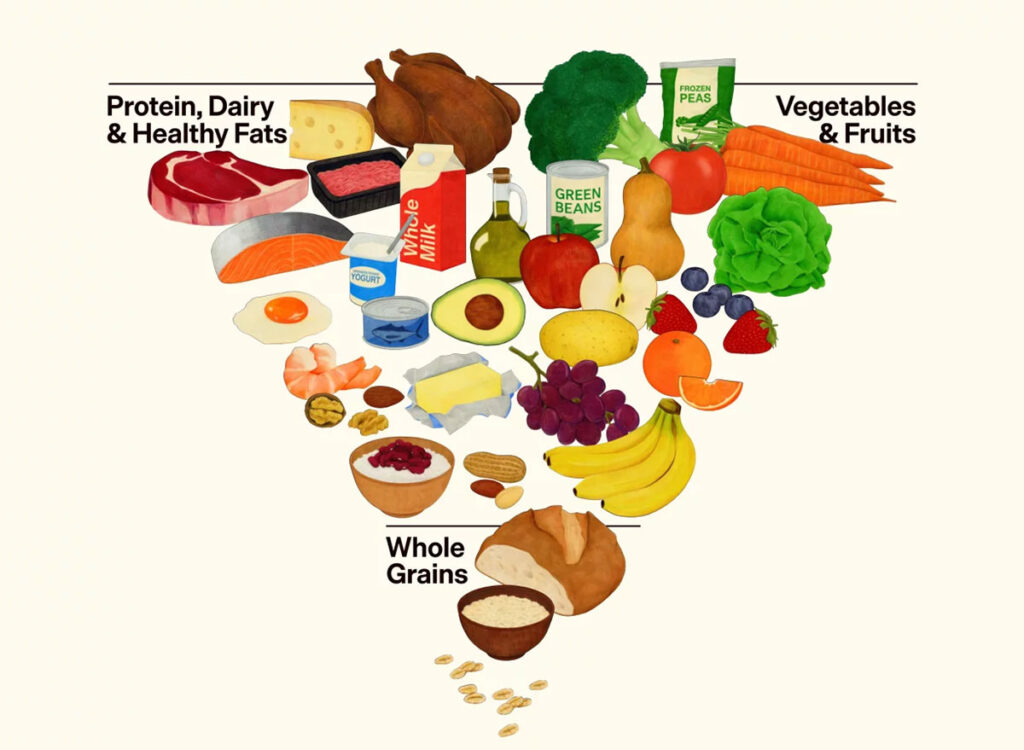

These protein-rich foods take center stage in the latest update to the U.S. Dietary Guidelines.
The U.S. Department of Health and Human Services has just released a new inverted food pyramid that is by far “the most significant reset of federal nutrition policy in decades.” Replacing previous MyPlate guidelines, the new pyramid emphasizes real, whole foods, with protein, dairy, healthy fats, vegetables and fruits at the top and whole grains at the very bottom.
“These guidelines take us back to basics,” says Secretary Robert F. Kennedy, Jr.. “American households should prioritize whole, nutrient-dense foods – protein, dairy, vegetables, fruits, healthy fats and whole grains – and significantly reduce highly processed foods. » The new guidelines prioritize protein at every meal. Here are seven protein-rich foods highlighted in the new guidelines.
Beef
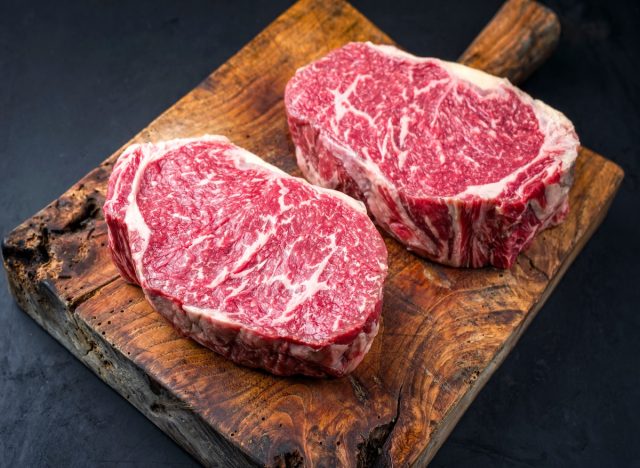
Protein-rich beef now sits at the top of the food pyramid. This food contains not only complete proteins, but also iron, zinc, phosphorus, selenium and B vitamins, and much more. “While previous dietary guidelines demonized protein in favor of carbohydrates, these guidelines reflect gold standard science by prioritizing high-quality, nutrient-dense protein foods at every meal,” the guidelines state.
Poultry
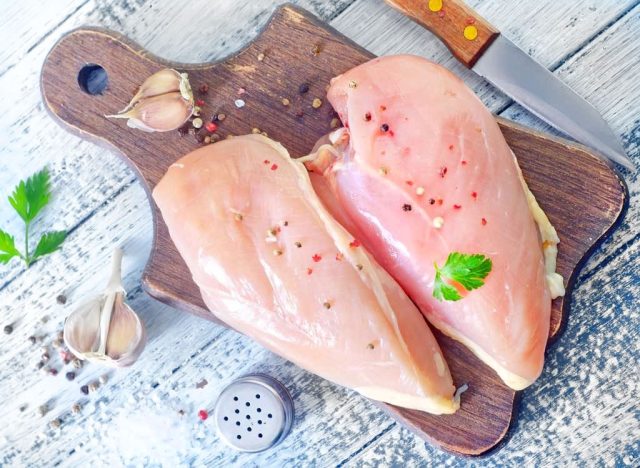
Chicken and turkey are also recommended as excellent sources of protein. “A heart-healthy diet doesn’t mean cutting out protein. Just choose lean sources like chicken, fish, turkey, or tofu. Lean proteins are low in saturated fat, which helps lower cholesterol levels and maintain healthy arteries,” the report explains. Mayo Clinic.
Fish
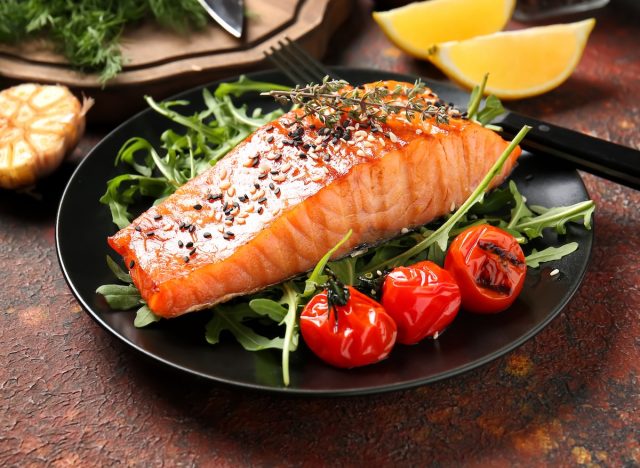
Americans are encouraged to eat more fatty fish like salmon, which is an excellent source of protein and many other important nutrients. “Fish like salmon, mackerel, and tuna are known for their heart-protecting properties. These fish are rich in omega-3 fatty acids, which lower triglycerides, reduce inflammation, and prevent plaque buildup in the arteries,” explains the Mayo Clinic.
Seafood

Shellfish are another great source of protein and other essential nutrients. “Increased consumption of a variety of seafood should be encouraged to ensure a healthy diet. Seafood is low in fat, especially low in saturated fat, contains omega-3 fatty acids, is excellent sources of protein, and is particularly good sources of iron, zinc, copper and vitamin B-12,” says Dr. Faye M. Dong is a professor and department head in the Department of Food Science and Human Nutrition at the University of Illinois at Urbana-Champaign.
Whole yogurt

Full-fat yogurt without added sugars is highly recommended as an excellent source of protein. “Greek yogurt is high in protein, which helps promote satiety. A typical 6-ounce serving contains 15 to 20 grams, the same amount found in 2 to 3 ounces of lean meat. This makes it particularly appealing to vegetarians, who sometimes struggle to get enough nutrients,” according to UT Medical Center.
Nut
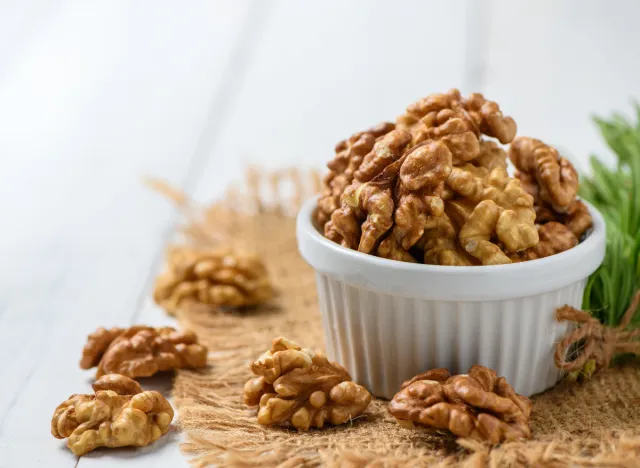
Healthy nuts, like walnuts, which contain 4g of protein per ounce, also feature prominently in the new dietary recommendations. “One serving also provides about 10% of the iron and 14% of the magnesium that adults need each day,” explains Cleveland Clinic.
Ground beef
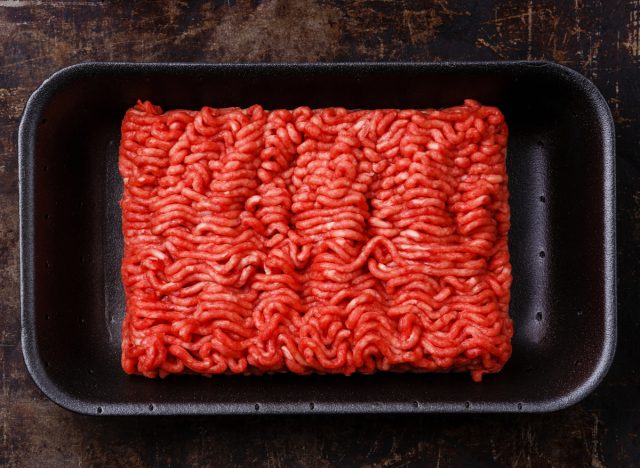
Ground beef is another protein at the top of the pyramid. “Finally, we are realigning our food system to support America’s farmers, ranchers and businesses who grow and produce real food. Farmers and ranchers are at the forefront of the solution, and that means more protein, dairy, vegetables, fruits, healthy fats and whole grains on America’s tables,” said Secretary of State Brooke Rollins.
#HighProtein #Foods #Highlighted #U.S #Dietary #Guidelines