


A registered dietitian explains what the updated federal nutrition guidelines mean for daily eating.
The Trump administration revamped America’s dietary guidelines on Wednesday, making major changes. Health Secretary Robert F. Kennedy Jr., who has touted his “Make America Healthy Again” movement, proclaimed that the new guidelines will “revolutionize our nation’s food culture and make America healthy again” during a White House news conference. We asked Tara Collingwood, MS, RDN, CSSD, LD/N, ACSM-CPT, certified sports dietitian and co-author of Flat stomach recipe book for dummiesto break down the new guidelines. Here are the 7 big changes in the new American dietary guidelines explained by an expert.
Get Back to Whole Foods and the “Eat Real Foods” Message
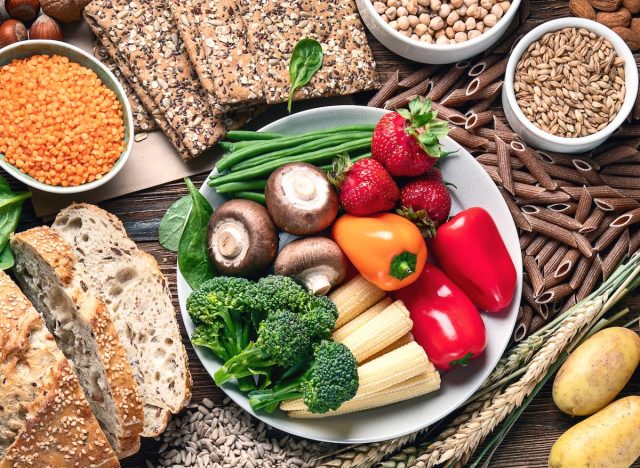
“The updated Dietary Guidelines for 2025-2030 emphasize the consumption of minimally processed whole foods and strongly discourage highly processed products high in additives, sugars and salt,” says Collingwood. “This represents a clear shift toward nutrient-dense eating habits.”
Proteins are a higher priority

The new guidelines recommend increasing daily protein intake to around 1.2 to 1.6 grams per kilogram of body weight, up from the previous minimum threshold. “This highlights the role of protein in satiety, muscle maintenance and overall health,” she says.
Revised Eating Habits Chart (Inverted Pyramid)
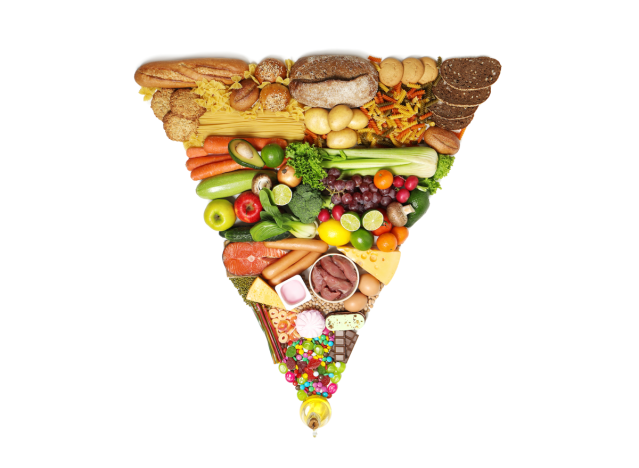
“Rather than the MyPlate model used in previous decades, the updated guidelines introduce a new visual food model (often described as an inverted food pyramid) that places vegetables, quality proteins, dairy and healthy fats in the broadest part, flagging priority foods with whole grains lower,” she says.
Reframing fats, including full-fat dairy and natural fats

“Unlike previous editions which emphasized low-fat and fat-free choices, the new guidelines allow full-fat dairy and non-industrial animal fats (like butter and beef tallow) as well as unsaturated oils like olive oil,” says Collingwood. “It is always recommended to limit saturated fats to no more than 10% of daily calories. »
Broader position on added sugars
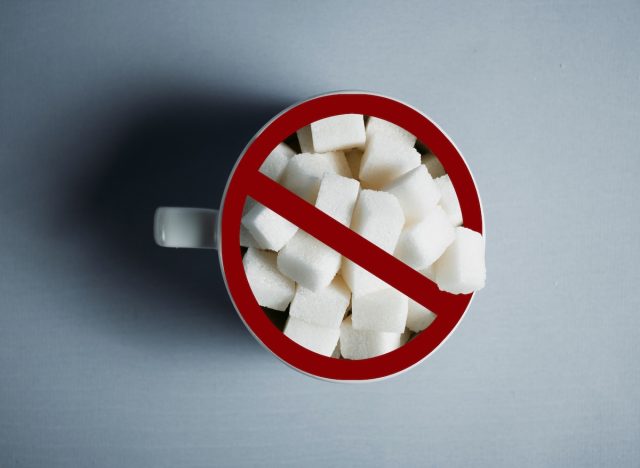
“Added sugars are strongly discouraged, with no amount considered healthy, and the guidelines suggest limiting added sugars to less than about 10 grams per meal, a stricter practical target than previous percentage-based limits,” says Collingwood.
Alcohol advice has been changed

Alcohol guidelines have also changed. “Long-standing advice regarding specific daily drinking limits (one drink for women, two for men) has been removed. Instead, Americans are simply advised to consume less alcohol for better health, a first significant change in alcohol guidelines in decades,” says Collingwood.
Focus more on reducing ultra-processed foods
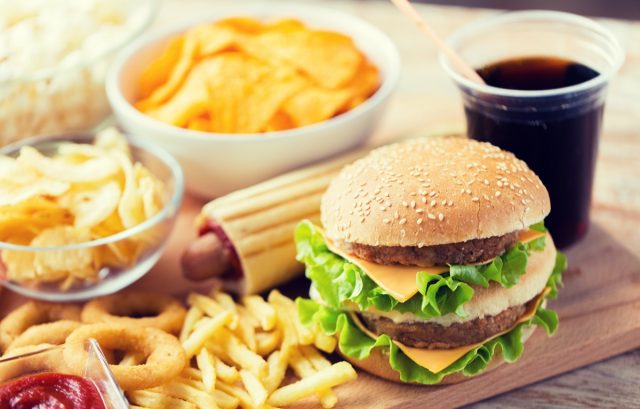
There is also more emphasis on reducing the consumption of ultra-processed foods. “While the guidelines do not yet provide a formal definition, they clearly discourage the consumption of ultra-processed foods and refined carbohydrates, linking them to poor health outcomes. This is a more explicit position than in previous guidelines and signals a broader public health focus on the quality of the food supply,” Collingwood says.
What this means for Americans

What does this mean? “These updates collectively push Americans to eat real, whole foods like vegetables, fruits, proteins, healthy fats and minimally processed carbohydrates, and move away from highly processed snacks, added sugars and refined products. The guidelines also reflect evolving science on nutrient needs across life stages and emphasize a balanced, sustainable approach rather than relying solely on macronutrient percentages,” says Collingwood.
Lea Groth
Leah Groth is an experienced editor and reporter for Best Life and Eat This, Not That! bringing readers the best new finds, trends and deals every week. Learn more about Léa
#Big #U.S #Dietary #Guidelines #Explained #Dietitian